Research Stories

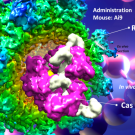
Developing and Testing Genome Editing Technology for Human Health

We might one day be able to treat diseases or inherited disorders by rewriting parts of the genetic code in our own cells. The National Institutes of Health established the Somatic Cell Genome Editing consortium, with funding of $190 million over six years, to advance research in genome editing, develop tools and test them in animal models before advancing to human clinical trials.

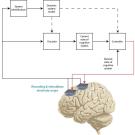
UC Davis Receives $15 Million Grant to Study the Effects of Maternal Infection on Risk for Psychiatric Illness in Offspring

The National Institute of Mental Health (NIMH) has awarded a $15.7 million grant to the UC Davis Silvio O. Conte Center, one of only 15 Conte Centers nationwide.

Psychiatric illnesses and neurodevelopmental disorders, including schizophrenia, affect 15-20 percent of the population worldwide, yet current treatments are at best only partially effective. The UC Davis Conte Center was first established in 2016 through the Center for Neuroscience to determine how maternal infection increases risk for these disorders and to identify new targets for novel treatments.


Migratory Birds Track Climate Across the Year

As climate change takes hold across the Americas, some areas will get wetter, and others will get hotter and drier. A new study of the yellow warbler, a widespread migratory songbird, shows that individuals have the same climatic preferences across their migratory range. The work is published Feb. 17 in Ecology Letters.

Start Here to Make a Protein

Structure of mRNA initiation complex could give insight into cancer and other diseases

Researchers at the University of California, Davis, and the MRC Laboratory of Molecular Biology in Cambridge, U.K., have solved the structure of the complex formed when mRNA is being scanned to find the starting point for translating RNA into a protein. The discovery, published Sept.